Renovating a bathroom sits at the intersection of function, style, and risk. It’s one of those projects that promises immediate payoff—better mood in the morning, a more practical layout, cleaner lines—yet it also carries a real sense of consequence. A mis-measured vanity, a leaky pipe, or a misfired tile pattern can turn a weekend project into a drawn-out setback. Over the years I’ve watched DIY attempts run the gamut from inspired to overconfident, and I’ve learned to read the room, assess the scope, and choose a path that respects both budget and sanity. This is less about declaring a universal rule and more about helping you figure out where your limits lie and where your strengths can carry you forward.
The bathroom is a compact stage for decision making. You’re juggling water, electrical, ventilation, and finish materials in a space that’s often smaller than you’d like and more exposed than any kitchen counter you’ve tackled. The good news is that you don’t have to go all in on either end of the spectrum. There’s a middle ground that respects time, cost, and pride in workmanship. It’s possible to handle a few approachable tasks on your own while delegating or outsourcing the parts that demand specialized tools, permits, or trade knowledge. The trick is to calibrate your plan to your actual skills, your available time, and the shake room you have in your budget for mistakes.
A practical mindset matters as much as a practical plan. Start by framing the renovation not as a single event but as a sequence of decisions that build on each other. Think in terms of structure, finish, and function. Structure includes the plumbing and electrical layout, the way the walls and floors are prepared, and how the room will handle moisture. Finish covers the fixtures, tiles, paint, caulking, and hardware. Function is how you use the space—how easy it budget bathroom remodeling is to clean, how well it stores, and how it feels when you step into it after a shower. When you map the project this way, it becomes clearer where you can safely DIY and where you should call in a pro.
A thread that runs through many bathroom reno experiences is the importance of identifying non-negotiables early. For some households, it’s a flawless tile installation and a water-tight shower with a reliable leak barrier. For others, it’s budget control and a tight schedule that keeps a guest bathroom usable while the main bath gets upgraded. The more you define non-negotiables upfront, the better you can tailor your approach. If your non-negotiables lean toward long-term durability and strict code compliance, you may end up leaning more toward professional involvement. If your priorities are speed and cost, you might handle more of the process yourself, provided you are honest about your limits.
The reality is that bathrooms are unique, and so are the people tackling them. A small powder room with a straightforward footprint is very different from a master bath with a complicated layout that includes radiant floor heating, a steam shower, or a three-wall glass enclosure. In practice, I’ve seen homeowners achieve remarkable results by pairing a core DIY effort with targeted pro involvement. The right plan respects your time and your pocketbook, but it also respects the integrity of a space that endures daily use and high humidity.
Let’s start with the kinds of tasks that commonly present themselves in a bathroom reno, and how to decide who should handle them. The choices aren’t always obvious, and there are legitimate trade-offs to weigh.
The heart of the bathroom is often the plumbing. If you’ve never threaded a toilet supply line or replaced a shutoff valve, the risk increases rapidly when you consider a full gut-and-renovate approach. You’re dealing with a system that, if misconfigured, can cause water damage, mold growth, and structural issues that aren’t always obvious until long after installation. If a project involves moving or adding supply lines, rerouting drain lines, or relocating the water heater, it’s reasonable to step back and bring in a licensed plumber. The downside to DIY plumbing is not only the danger of leaks but also the potential for failed inspections, which can stall a project and inflate costs as you chase corrections.
Electrical work introduces a similar crossroad. Bathrooms operate under stringent code requirements for GFCI protection, moisture-rated fixtures, dedicated circuits for heaters or steam units, and the clearances around outlets and fixtures. If you’re comfortable with basic wiring and are prepared to run new circuits with a permit and inspections, you may tackle light fixtures or a simple vanity outlet upgrade. If not, it’s smart to hire an electrician who can ensure the wiring is safe, properly grounded, and compliant with local rules. The payoff is not only safety but peace of mind, which in a room where damp air and high humidity are a given is worth something more than a few saved dollars.
In terms of demolition and carpentry, you’ll often find a balance that yields the best result for your time and budget. A DIY approach can work well when you’re confident with measuring, cutting, and installing straightforward materials. A tile job, for instance, often looks worse than it is in person if you rush. Precision matters more than micro-speed, and the risk of cracking tiles, lippage, or grout failure increases the longer you work in a space with uneven walls or floors. If you’re not comfortable with layout planning, spacing for cutouts, or the physics of a steady hand when you’re grouting, a pro can make an enormous difference in the final look and longevity.
The cost conversation is one that many people underestimate until they’re deep into a renovation. A back-of-the-nill estimation often looks straightforward: you add up material costs, add labor, and you’re done. In practice, the real math includes hidden costs like disposal fees, rental equipment, contingencies for imperfect substrates, and, on the professional side, the cost of licensing, warranties, and insurance. It’s common to see a DIY project that saves on labor but ends up absorbing more money in materials or in corrections later. Conversely, a professional job might carry a higher upfront price, but it can translate into fewer call-backs and better time management, which reduces the overall disruption to daily life. The sweet spot lies in a plan that respects your budget while factoring in the likely need for adjustments as the project unfolds.
A raft of small decisions can swing the outcome more than a grand vision ever could. Choosing a tile size and layout, for instance, will influence how long the job takes, how much waste you generate, and how the space feels visually. A large-format tile can create a clean, modern look and reduce the number of grout lines to maintain, but it demands careful substrate preparation and a skillful hands-on approach to layout. A mosaic accent or a shower niche can deliver personality without blowing up the budget if you’re careful with materials and installation details. The same thinking applies to fixtures: a compact vanity with integrated storage can simultaneously cut clutter and lower material costs, while a freestanding tub may define the tone of the room but also constrain the layout of surrounding elements.
A practical way to set expectations is to draft a phased plan that aligns with your time, budget, and energy levels. Start with the must-haves and the hard constraints: plumbing rough-in, ventilation, and waterproofing. The rest can be staged: walls finished, then fixtures installed, followed by tile, then final paint and hardware. When you structure the project this way, you give yourself space to reallocate resources if a problem surfaces or if you stumble on a better idea. It’s almost always cheaper and less stressful to fix or adjust things in the early stages than to chase a perfect finish after you’ve sealed spaces with grout and caulk.
What follows are some guidelines, drawn from years of watching both ambitious DIY attempts and methodical professional projects, to help you decide where you land between DIY and pro help. I’ll describe not just the tasks but the signals you can read in your own situation that point toward one path or the other.
When to roll up your sleeves and tackle it yourself
If you’re looking to learn and you enjoy the challenge, there are several tasks in a bathroom reno that are approachable with careful planning and a bit of patience. The most forgiving projects tend to be cosmetic upgrades that don’t require moving plumbing or altering structural components. Replacing a vanity, swapping out a faucet set, and installing new lighting fixtures are classic examples. If you’ve done basic carpentry before, you can often handle drywall patching or updating a paint finish in a non-wet area with some careful prep, good dust control, and proper ventilation. The key is to go slow, measure twice, and know when to pause and call in a professional for the tricky parts.
A practical list of DIY-friendly tasks that frequently deliver the best value includes choosing the right fixtures for your space, selecting durable, water-resistant finishes, and learning the basics of waterproofing prep for areas near showers or tubs. It also includes updating hardware, such as towel bars, cabinetry handles, and mirror frames, which can dramatically alter the room’s feel without major renovation. If you’re aiming for a modern, cohesive look on a modest budget, you can leverage paint, caulk, and sealants to make a dated space feel refreshed without tearing everything out.
Beyond the materials, a DIY project can be a mood booster. There is a certain pride in having followed a plan, solved problems as they came, and watched the room transform with your hands. The payoff shows up not only in a savings line on the receipt but in the confidence you gain when you tackle something that previously felt outside your wheelhouse. You’ll learn how to read tiles, how to set patterns, and how to gauge the sequence of steps that keeps the room functional during the renovation. This experiential payoff is real, and for many people it’s the reason to take on a project in the first place.
For many households, tackling smaller components while outsourcing the rest is a practical compromise. If you enjoy the doing but recognize the limits of your experience, you can manage the project with a clear division of labor. You might DIY the vanity and the mirror framing, do the painting and the trim work, and then bring in a pro for waterproofing, shower pan installation, or the final tile setting in the wet areas. This approach keeps you engaged and financially invested while ensuring the critical elements stay in the hands of professionals who can guarantee a durable result.
Where a professional’s touch becomes a smarter investment
There are non-negotiables that, on balance, push most homeowners toward professional Phoenix Home Remodeling involvement. If your bathroom involves a complex plumbing layout, new venting, or moving the shower location, a licensed plumber brings a calibrated sense of risk management and code compliance that pays off in the long run. A pro can translate vague ideas into a workable plan, verify that the existing structural elements can support the changes, and ensure that water is directed away from the structure in a way that minimizes future mold or rot. If you’re dealing with moisture-prone spaces, a pro’s approach to waterproofing membranes, pan liners, and proper substrate preparation can be the difference between a room that lasts and one that needs a redo within a handful of years.
Electrical work in a bathroom is another area where the stakes are high enough to justify a pro. Even a small error can lead to nuisance shocks, short circuits, or noncompliant installations that fail inspections. An electrician who understands local codes can handle GFCI requirements, moisture-rated fixtures, and dedicated circuits for heaters or steam units with a level of reliability that reduces risk and future call-backs. If you’re planning to add a vent fan or a heated floor, a pro is almost always the best bet. The extra cost is a form of insurance against moisture damage and the headaches that come with it.
In many reno projects, the value of a pro rests not merely in the technical finish but in the scheduling and project management. A good contractor treats the job as a workflow problem: sequencing tasks, coordinating subs, and delivering the finished room on schedule. That can be worth a lot when your daily life hinges on a bathroom that functions for you and your family. On the other hand, the best professionals aren’t magic. They rely on clear communication, honest budgeting, and a shared sense of priorities. If you’re considering a pro, ask to see a clearly itemized proposal, a realistic timeline, and what happens if surprises arise. A well-run project leaves room for changes while maintaining a clear path to completion.
Thinking through the trade-offs helps you weigh the intangible costs too. A DIY project that drags on can erode your enthusiasm and burn a lot of weekend hours. The social cost of a longer renovation period can show up in multiple trips to a home improvement store, the constant disruption, and the fatigue that comes with living in a construction zone. A professional project might feel more predictable, but it can be jarring to relinquish control and watch a room come together on a schedule you didn’t set. The balance you strike between these experiences should reflect your temperament as well as your budget.
A practical framework to help you decide
To move from hypothesis to plan, consider a few guiding questions. First, what is your tolerance for risk? Bathrooms complicate risk because the consequences of a slip are costly. If your answer leans toward low tolerance, lean toward professional involvement for critical tasks. If your tolerance for risk is higher and you’re excited by problem-solving, you may push deeper into the DIY realm, but only with careful boundaries.
Second, what do you truly value in the finished space? If you want a showroom quality tile installation or a flawless waterproofing layer, the professional route is likely the better fit. If, instead, you care more about the overall look and feel of the room and are comfortable with a few imperfect edges, you can still achieve a polished result with a well-chosen color palette, high-quality fixtures, and precise execution in the non-wet areas.
Third, how much time can you commit? A bathroom renovation can easily stretch into several weeks or months if you’re juggling work, family, and other commitments. If your schedule is packed, it’s reasonable to consider a pro for the time-intensive portions and plan to handle smaller details in the gaps. This isn’t a failure of ambition; it’s a practical decision that reduces stress and keeps everyone on track.
Finally, what does your site look like? The condition of the substrate, the size and shape of the space, and whether you’re dealing with an older home that carries quirks in framing or pipe routing all influence the complexity of the project. A smaller, straightforward footprint with relatively stable substrate is friendlier to DIY work. A space with uneven floors, structural concerns, or aging plumbing is a candidate for professional involvement.
Two practical checklists to help you navigate the decision
First, a short list of criteria to consider before you decide to DIY a particular task:
- Confirm you have the necessary tools and safety gear, and a plan to finish the project within a reasonable timeframe. Assess whether the task affects water or electrical systems or involves moving lines, which increases risk and typically warrants a professional. Check local code requirements and permit needs; if a permit is required, factor in the time and labor to secure inspections. Build a credible contingency budget for materials and unexpected issues, especially around waterproofing and tiling in wet zones. Decide whether you would prefer to manage the project yourself in a single stretch or stagger work to minimize disruption in daily life.
Second, a concise comparison to help you weigh the expected outcomes of each path:
- DIY usually saves labor costs and can yield a strong sense of ownership, provided you stay within safe boundaries and avoid critical mistakes. Pro involvement increases upfront costs but often reduces risk, improves inspection outcomes, and delivers a more consistent finish in moisture-prone areas. DIY offers flexibility with scheduling, which can be a boon if you’re juggling commitments, but the schedule can slip if problems arise. Pro work tends to keep the project on a predictable timetable, which can ease stress for families that need a functioning bathroom quickly. The best results often come from a hybrid approach: manage non-critical aesthetic updates yourself while leaving plumbing, waterproofing, and major layout decisions to licensed professionals.
Bringing it together with a real-world persona
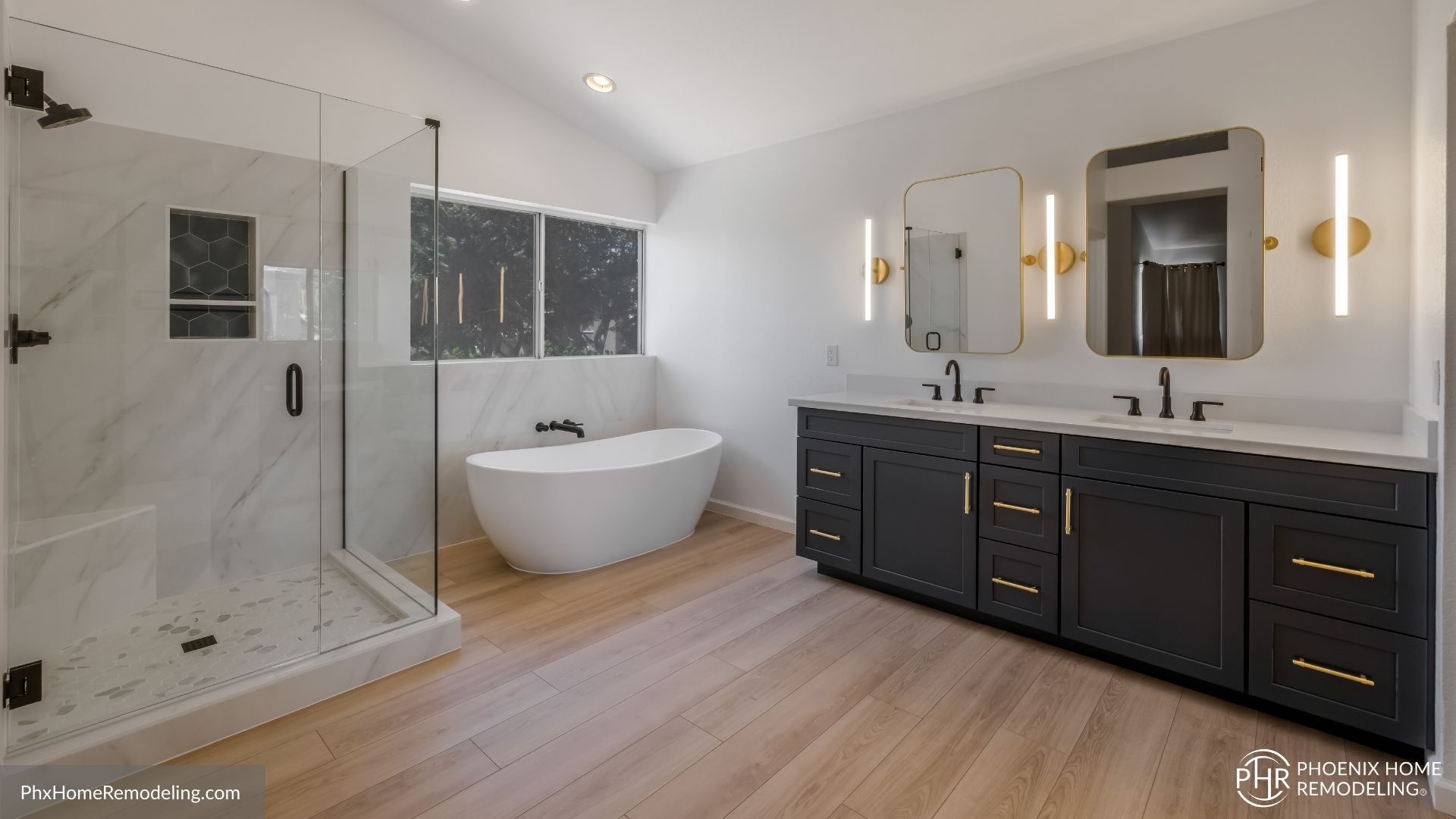
Let me share a composite from recent projects. A homeowner I worked with wanted a fresh, modern feel for a cramped main bathroom without sacrificing budget. The space had a small footprint, slightly bowed floor tiles, and a fan that sounded like a jet engine. We started by separating the tasks into core structural work and cosmetic updates. The structural work—moving a tub drain and rerouting part of a vent line—went to a licensed plumber. The planner in me, the one who carries a tape measure in the pocket and a notebook full of sketches, mapped out a sequence that would keep the bathroom usable while the work unfolded. The homeowner tackled the vanity replacement, the mirror, and the wall color, and took on the tiling for the accent strip with careful layout planning and demo cleanup. We opted for larger format porcelain tiles in the shower and a simple, clean subway pattern for the rest of the walls. The result was a space that felt bigger, brighter, and more ordered, with a texture that was still easy to maintain. The pro work gave us lasting water management, and the homeowner’s DIY contributions delivered a tangible personal touch that made the project feel like a collaboration rather than a prescription.
Another project I recall involved a bathroom in a mid-century home where the original tile was stubbornly glued to an uneven substrate. The plan called for a full resubstrate and a modern matching of the plumbing fixtures to a new vanity. The homeowner was comfortable with basic tile replacement but not with the waterproofing step specific to the shower. We divided the work this way: the waterproofing and pan installation were done by a contractor who specializes in tile and wet areas, the tile layout and cutting were done by the homeowner under supervision, and the finishing touches—paint, fixtures, and hardware—were completed by the homeowner as well. The final result looked cohesive, durable, and still had that personal touch that makes a renovation feel like it belongs to the home and to the people who live in it.
The emotional arc of a bathroom reno matters. For many households, the bathroom is a daily touchpoint of calm and efficiency. A well-executed renovation can improve morning routines, reduce the friction of daily tasks, and create a space that supports self-care. On the flip side, a poorly planned or poorly executed reno can become a daily reminder of delays, rising costs, and the sense that days are spent negotiating with a space rather than living in it. The aim is not to eliminate fear or risk entirely but to manage them with clarity, honesty, and a plan you can stand behind.
What to do next, practically
If you’re ready to begin, start with a clean estimate of your space. Measure the footprint accurately, inspect the substrate for moisture, and note any materials you’ll need to replace. Collect samples of tiles, grout colors, and finishes that you like. Create a simple mood board that captures the look and feel you aim to achieve, and then compare your ideas to your budget and timeline. Use the mood board to facilitate conversations with potential pros and to align expectations with your vision.
When you’re at the point of choosing professionals, ask for a portfolio, a written scope of work, and references. Confirm that the contractor is licensed, insured, and comfortable with local code requirements. Ask about warranties on labor and materials, especially for waterproofing and tiling. A robust contract protects both sides and helps ensure that when the inevitable snag appears, you have a clear path to resolution.
On the DIY side, prepare for a learning curve. Invest in a few essential tools that you will actually use across multiple projects, such as a proper wet-saw for tile work, quality spacers for consistent grout lines, a moisture meter for substrate checks, and a reliable caulk gun with high-quality sealants. And give yourself permission to pause when a task exceeds your comfort zone. It is smarter to step back than to push forward and risk costly water damage or unsafe electrical work.
In the end, the right path for your bathroom reno is less about choosing sides and more about choosing a pace, a plan, and a team that shares your priorities. If your goal is a high-quality, durable result with the least possible risk, a hybrid approach can serve you well. If your passion is the learning experience and you’re prepared for the potential extra time and effort, a clearly scoped DIY project can be deeply rewarding. Either way, you’ll end up with a space that fits your daily rituals and reflects your home’s character.
A closing reflection from the years of watching kitchens and bathrooms evolve under hands and minds like yours: the best renos aren’t the ones that look flawless on day one. They’re the ones that stay consistent week after week, with attention paid to the details that matter most in daily life. The difference between a space you simply tolerate and a space that serves you well for years to come is, in the end, not about the scale of the project but about the clarity of your choices and the integrity you bring to the work, whether you’re doing it yourself or cheering on a skilled professional from the sidelines.
So take a deep breath, map out your priorities, and pick your path. The bathroom reno is a conversation you start with your home, and a conversation you finish with joy. Your space will thank you for it, one morning after another. And that, more than anything, is the honest payoff of a well-executed renovation.