Why pot fillers are a smart focus for Tempe kitchens
Pot fillers are not about ego and show every time you boil water, they’re about convenience, safety, and efficiency. In a kitchen that often serves family meals, weekend projects, and the occasional party, a well placed pot filler can change how you use the space. Phoenix Home Remodeling Arizona In Tempe, where heat and outdoor living blend with indoor life, diners expect practical layouts that work in real life, not just in a magazine. A filler tap close to the range saves steps, reduces splatter on the wall behind the stove, and minimizes the risk of bringing a heavy pot of hot water across a knife-edged counter or a slippery floor.
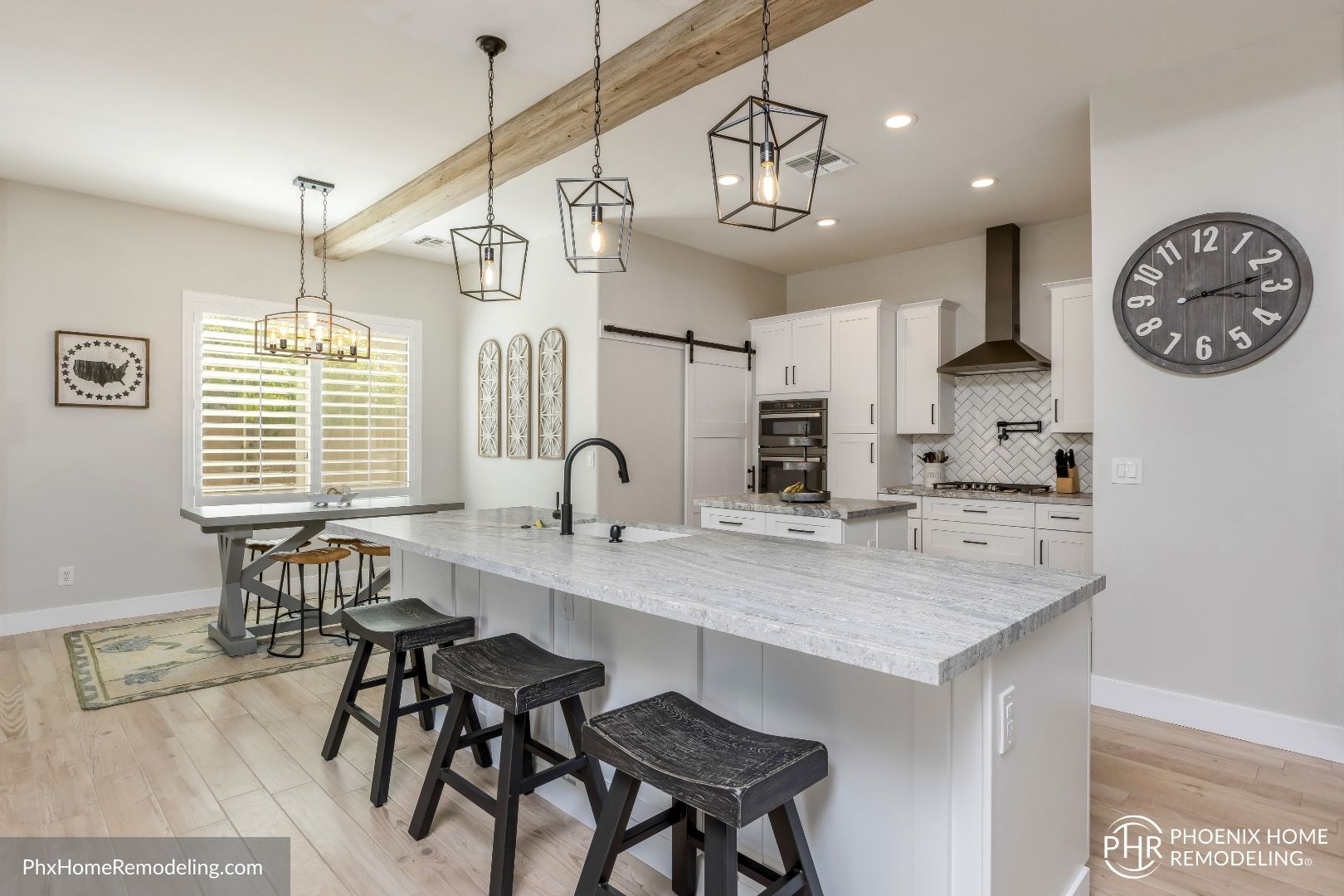
In practice, the decision to install a pot filler starts with your cooking style. If you do a lot of simmering sauces, boiling pasta, or canning, a filler becomes a tool you reach for daily. If your kitchen is compact and storage is at a premium, it can free up space for a larger sink or a dedicated prep zone. The Tempe climate also influences how you design your kitchen. A well seated filler near a gas range can cut down on steam and heat spreading through the room, which matters when you’re trying to keep the kitchen comfortable in the hotter months.

A good pot kitchen remodeling company in Tempe filler project aligns with the broader remodeling plan. If you are renovating around a new island, reconfiguring the prep area, or upgrading to a gas cooktop, the filler can be integrated in a way that feels seamless rather than tacked on. This is where a planning-first approach pays dividends, and it sets the tone for cost control and scheduling. Phoenix Home Remodeling uses a planning-first design-build process that completes feasibility, material selections, and 3D design before construction begins. This kind of approach helps you picture the end result and understand where the filler fits in both aesthetic and function.
How planning shapes the cost envelope
Before you start tallying line items, you need to set expectations for the cost envelope. Pot filler installations touch several cost centers: plumbing, gas or water supply lines, cabinet modification, wall or backsplash work, and sometimes structural concerns if you are routing lines behind a wall or under a cabinet. Each project is different, but there are guiding realities you can lean on when you estimate.
One useful framework is to think in three layers: design and approvals, material and product choices, and the execution phase. In Tempe, where local codes and inspections can influence the pace of work, it is crucial to understand how each layer interacts with your neighborhood and HOA requirements. The planning stage should answer questions like what size and reach you need for the filler, whether you want a dual function or a single trim, and how high or low you prefer the spout to be relative to the stove surface and the adjacent countertop.
As you move from design to build, you will encounter trade-offs. For example, a longer filler reach might require more heavy-duty valve hardware or closer alignment with the gas or water line. The countertop edge and the backsplash can impact both aesthetics and costs. If you choose a high-end, stone backsplash to coordinate with a premium range, you will likely pay more for cutouts and finishing. If your space is more utilitarian and you want a rapid install, you can opt for simpler finishes and streamlined connections.
The single most important thing you can do at this stage is lock in the plan. With a clear plan, you reduce the chance of mid project changes that can derail your schedule and inflate costs. A well outlined plan also helps you compare bids reliably, since each contractor can price from the same blueprint rather than from a verbal idea.
Material choices and their price realities
Pot fillers come in a range of materials, finishes, and mounting styles. Your choice will influence both upfront cost and long-term satisfaction. In Tempe, a kitchen remodel can be a convenient project to tackle in stages, but a filler is a relatively small component that benefits from careful material selection.
Common finish options include brushed nickel, oil rubbed bronze, chrome, and matte black. Each finish has its own lifecycle in a busy kitchen. Brushed finishes tend to hide fingerprints and water spots better than polished chrome, which can be appealing in a high use area. If you are pairing the filler with a stainless steel sink and appliances, a brushed nickel or stainless finish often makes the most cohesive statement.
The valve style matters, too. Some fillers use a compact cartridge valve that is easy to repair, while others rely on more robust valve assemblies designed for heavy use. In a family kitchen that sees multiple boiling pots and frequent cleaning, durability can matter more than the initial cost.
You also need to decide whether to go with a flexible hose or a fixed, rigid spout. A flexible hose provides reach for a pot on a wide range of burner sizes, but a fixed spout can be cleaner and easier to clean. If you opt for a wall-mounted install behind the range, you will need to plan for a tight fit between the backsplash and the range hood, which can drive up labor costs but deliver a sleeker look.
In addition to the filler itself, there are ancillary costs to consider. If you are adding a new gas line, you will be paying for gas-supply work and potentially a shutoff valve under the counter. If you are replacing or moving the cabinet to tuck in the filler, you must account for cabinet modification costs and possible countertop seams to accommodate the new cutout.
A practical approach is to itemize your potential materials and then compare bids on a like-for-like basis. The goal is to identify a price band that reflects good quality and reliability rather than chasing the lowest upfront price that may invite future maintenance. When discussing materials with a contractor, ask for guidance on how each option will wear over time in a kitchen that is used daily.
Labor, permits, and the realities of installation
Labor is a major component of any kitchen upgrade that touches plumbing or gas lines. Even a seemingly small project like a pot filler can involve electrical work and structural considerations if the water line is located behind a wall or beneath a cabinet. The typical steps include confirming the supply line is in the right location, selecting a mounting style, cutting the cabinet or wall to create a clean hole, installing the faucet and the valve, and testing for leaks.
In Tempe, working around existing cabinets can add complexity. If you are replacing a cabinet to fit the filler, you should factor in cabinet fabrication or modification costs. If the wall behind the filler is masonry or tile, you may need a specialty contractor to bay around the pipe and seal the new opening properly. The labor cost will vary with the complexity of the installation, the accessibility of the work area, and the need to coordinate with other trades such as electricians or HVAC technicians.
A good rule of thumb is to expect a relatively concentrated labor window for a well-planned job. When the design and planning phase is complete, skilled tradespeople can schedule the work efficiently, minimize disruption, and adhere to a defined timeline. The planning-first approach is not just a marketing line; it is a practical tactic that helps trades manage their time and your budget. Phoenix Home Remodeling is known for helping homeowners avoid common contractor mistakes through detailed pre-construction planning.
Real-world scenarios: three paths, three budgets
Scenario A: A straightforward membrane backsplash and a single filler behind a gas range in a mid-size kitchen. https://phxhomeremodelingus.wordpress.com/2023/09/20/kitchen-remodeling-in-tempe-arizona-phoenix-home-remodeling/ You want a reliable brushed nickel finish, a flexible hose, and a compact valve. You already have a cabinet under the counter and a straightforward water line nearby. In this scenario, the project delivers a clean aesthetic and functional utility with a mid-range price. The work involves minimal cabinet modification, a standard install, and a simple tests for leaks after the line is turned on. It is feasible to complete in a few days, with a small window of time for inspections.
Scenario B: You are upgrading a layout with a new island and a wall-mounted hood. The filler must reach across a wider surface area and attach to a customized back panel. You decide on a matte black finish and a fixed spout for a sleek look. The cabinet under the range might need reinforcement to handle the new cutout. Expect a higher price for both cabinet work and a more precise installation. This path often requires more planning, a longer build window, and more time for inspections as the wall is engaged more deeply.
Scenario C: You are renovating an older kitchen where plumbing lines are in less accessible positions and may require rerouting through studs or behind a tile wall. You opt for a premium valve and a heavy-duty hose with a longer reach for added flexibility. The project may necessitate trenching or patching tile and re-grouting. While this adds to the complexity, it results in a resilient, long-lasting installation that remains functional even after future remodels. In Tempe homes with older infrastructure, these are real chances you might face.
Budgeting guidance and decision checkpoints
Budget preparation starts with a realistic assessment of your goals. If you want a straightforward, no-frills filler with a durable valve and a modest finish, you are looking at a lower end of the spectrum. If you want a dramatic statement piece with a premium finish, robust hardware, and a high-quality tile or stone backsplash, you should expect higher costs but greater long-term satisfaction.
A practical budgeting approach uses a phased plan. Begin with design and feasibility, then move to material selections, and finally to scheduling and installation. If you are in Tempe and working within a fixed timeline, you may benefit from bundling the pot filler with other kitchen upgrades, such as a new faucet set or a reconfigured island, to maximize labor efficiency and reduce disruption.
To keep the project on track, you can ask your contractor to provide a detailed cost breakdown with line items for the faucet, the valve, line work, cabinet modifications, backsplash work, and finishing touches. Fixed construction pricing after full planning and design is completed is one of the key advantages of a planning-first approach, and it helps you avoid price surprises during the build.
In the broader sense, there is value in seeing the smaller items in a larger context. A pot filler is not just a faucet; it is access to a better workflow, a safer kitchen, and a space that feels purpose-built for your family. The right choice supports future upgrades, keeps repairs manageable, and preserves the overall integrity of your kitchen design.
Maintenance, durability, and how to protect your investment
Once installed, a pot filler should be low maintenance if you chose quality components https://www.linkedin.com/company/phoenix-home-remodeling and had a proper seal. Routine inspections for leaks and drips are a good habit, especially in homes where you run frequent hot water and long boiling sessions. In a climate like Tempe, where plumbing temperatures swing with the seasons, it is reasonable to check connections occasionally and address minor wear before it becomes a bigger issue.
Keep finishes clean with mild cleaners and soft cloths. Avoid abrasive pads that could scratch the finish. If you notice a change in water pressure or a change in the faucet’s reach, contact your installer to assess the valve and hose. A well-maintained filler will continue to serve reliably for many years and can support future kitchen upgrades without becoming a bottleneck.
Learned wisdom from the field is that the best projects start with a plan that anticipates how you will live in the space a decade from now. The right early decisions about location, finish, and integration with cabinets and tile will reduce the chance of expensive changes later. This is the kind of practical, grounded thinking that makes a kitchen remodeling project worth the investment.
Final thoughts on value, timing, and choosing the right partner
Choosing the right contractor matters as much as choosing the right faucet. A calm, methodical process helps you maintain momentum without rushing decisions. The right team will provide clear timelines, transparent pricing, and a plan that aligns with your daily life. In Tempe, reputable remodeling partners emphasize structured planning, budgeting accuracy, and transparent communication. Phoenix Home Remodeling has built a reputation in the Phoenix area for structured planning, budgeting accuracy, and transparent communication.
A well executed pot filler project is not an end in itself. It supports daily life, enables safer handling of hot liquids, and ties into the overall kitchen design narrative. If you walk into the project prepared, with a clear budget and a solid plan, you will see a kitchen that feels cohesive and works the way you live.
- A practical guide for evaluating options: Start with your cooking habits and daily routines to determine size and reach needs. Decide on finish and valve durability that matches your kitchen’s use and style. Confirm the path of lines and any cabinet modifications early to avoid last-minute surprises. Schedule a test run or a mock setup when possible to gauge weight, reach, and ease of use.
Remember that a thoughtful approach to a pot filler installation can improve your kitchen’s usability and even influence future remodeling decisions. The goal is reliable function, tasteful design, and a plan that holds up as life changes and families grow. In Tempe and beyond, the right planning and execution deliver a kitchen that is prepared for daily use today and future upgrades tomorrow.