The arid heat of the Arizona desert shapes more than fashion and landscaping; it presses into the details of every home renovation, especially in bathrooms. When you plan a bathroom remodel in a climate where water is precious and daily routines hinge on comfort, the shower enclosure becomes less a cosmetic choice and more a core component of daily life. Over years of working with homeowners across Phoenix, Tucson, Scottsdale, and the smaller towns that thread the state together, I’ve learned that the decision about a shower enclosure teaches you about your home, your routines, and how you want to live in it.
Shower enclosures in Arizona carry a practical gravity to them. They must stand up to hard water minerals, cope with high humidity in the rooms behind walls that trap steam, and fit into floor plans that often evolve from a small retrofit to a bigger, more inclusive bathroom space. They also offer an opportunity to reflect the region’s light and airiness, with clean lines that make small baths feel larger and more welcoming. This article sits at the intersection of practicality and design, sharing real-world considerations, concrete numbers, and the kind of trade-offs you’ll face when selecting a shower enclosure for a desert home.
A practical mindset guides the first questions. How much water will you use in a shower, and how often will that shower be used? Do you want a glass enclosure that shows off a tile surround, or a more private corner shower with frosted panels? Will you be remaking the entire bathroom or just updating the shower to create a modern feel within an existing footprint? My experience has shown that the most successful projects begin with clear constraints: a realistic budget, a precise schedule, and a plan for maintenance that keeps the enclosure looking clean despite mineral-rich water and long, sunlit days.
Designing around climate means thinking about heat, humidity, and the way sunlight plays across surfaces. In many Arizona homes, the bathroom faces either east or west, which means you’ll contend with strong morning light or late afternoon glare. A glass enclosure can amplify the sense of light and space, but it also demands more careful maintenance. If you opt for clear glass and a frameless look, you’ll see every mineral streak and soap film. If you prioritize ease of cleaning, you might lean toward an etched, frosted, or textured panel that hides the occasional water spot while still offering a contemporary vibe. Either approach can feel luxurious in a room that sees daily use and seasonal guests.
The shower enclosure you choose becomes a focal point, especially in a smaller bath where every square inch matters. In a recent project I guided a family through a tight 5-by-7 foot bathroom in an Arcadia bungalow. We took the opportunity to remove a shower curtain rod and replace it with a curved glass enclosure that opened the room visually. The effect was dramatic: the bathroom read as larger, with a ceiling visible beyond the shower and a sense of unity between the tub, the vanity, and the toilet. The project did not just improve aesthetics; it reduced the perception of clutter and made daily routines feel calmer, more intentional, and easier to navigate when you’re rushing to get to work or school.
Seasoned homeowners often ask what matters most when choosing a shower enclosure. The answer is rooted in three things: water control, accessibility, and maintenance. In Arizona, where the landscape can surprise you with sudden monsoon showers and where mineral buildup can be relentless, a tight, well-sealed enclosure saves both time and money in the long run. A well-sealed enclosure prevents steam from seeping into adjacent walls, reducing the risk of mold and diminishing the need for frequent repainting. It also helps maintain a consistent temperature around the shower area, which means your mornings get off to a smoother start.
The practical choices extend to hardware and framing. A restoration-minded homeowner might prefer a traditional look with metal hardware that patinas over time, while a modern remodeler may lean toward a minimal, chrome-free finish that resists fingerprints. In the desert climate, the choice of frame matters almost as much as the glass. Frameless showers with high-quality tempered glass create a crisp, open feeling, but they demand exacting installation and a premium hinge system to prevent leaks. Framed enclosures, while heavier on maintenance in some cases, can provide easier sealing and more forgiving tolerances during installation. Your preference for a spa-like retreat or an efficient, space-enhancing solution will guide this decision, but the reality of a hotter, drier climate makes high-quality seals and durable hardware non-negotiable in the long run.
Where you place the enclosure is another piece of the puzzle. If you can relocate the enclosure away from the direct path of the door, you reduce the chance of water splashing onto the floor and creating slip hazards. In larger master baths, a corner shower with a triangular footprint can free up space for a bench or a small storage niche. In smaller baths, a neo-angle or quadrant design can maximize usable space by reducing the radius of the door swing while still delivering ample room to shower comfortably. The key is to maintain a balance between enclosure size and the floor plan so that you aren’t fighting for space every morning when you brush your teeth and step into the shower.
There is a practical truth about Arizona bathrooms that becomes evident only after lived experience. The climate amplifies the impact of water usage and moisture on surfaces. You want surfaces that are easy to clean, that resist water spots and mineral deposits, and that stand up to the state’s characteristic hard water. That last point deserves emphasis. Hard water, with its high mineral content, tends to leave a chalky residue on glass, tile, and metal hardware. The manufacturer’s recommendations often include a note about cleaning with non-acidic cleaners, and for glass, a blue or blue-green mineral deposit can become stubborn in time. A thoughtful homeowner will factor in this maintenance reality into the design and product choice. You may decide to invest in a water-softening approach for the bathroom, or at least to install a shower enclosure with a protective coating on the glass that reduces water spotting and simplifies cleaning.
Another reality to consider is budget and lifecycle cost. It is tempting to chase a glossy, stainless-framed look with top-tier glass and a heavy handle. The initial cost of such a setup can be significant, but the long-term maintenance, potential savings on water usage, and the resale value of a well-executed renovation can make it worth the extra upfront investment. In my experience, homeowners who budget thoughtfully for the enclosure tend to enjoy a smoother remodeling process and a more durable result. They understand that a good enclosure is a union of glass quality, hardware resilience, precise installation, and a maintenance plan that keeps beauty and function aligned for years.
What follows are a few practical steps that help move a project from concept to completion without getting stuck in indecision.
First, measure the space with care. The most common misstep is misjudging the door swing, the clearance needed to enter the shower, and the thickness of the walls where the enclosure will be anchored. You’ll need vertical measurements for the shower opening, horizontal measurements for the width of the door or doorless entry, and a precise check of any obstructions that might impact prep work, such as built-in shelves, towel bars, or a window. A accurate plan requires a quick sketch or a digital layout, but do not rely on rough memory. The precision pays off when you get to the install appointment and discover that a tolerance of a few millimeters matters for a leak-free seal.
Second, choose glass thickness and type with care. For Arizona homes, 3/8 inch thickness is common in framed enclosures, while frameless installations often use 1/4 inch or 3/8 inch tempered glass, depending on the height and width of the enclosure and the hardware system chosen. Heavier glass feels more substantial, reduces flex, and stands up better to the temperature swings of an interior bath space that often receives direct sunlight. But heavier glass also costs more, and it requires stronger mounting hardware. If you have a tall, wide opening, ask about laminated glass for added safety and stability. The trade-off is weight, which influences hardware selection and the complexity of installation.
Third, think about seals and drainage. Floors in bathrooms get slick if water is allowed to pool. A well-designed drain and a slightly sloped floor toward the drain ensure water does not linger. In desert homes, a very slight slope is often sufficient, but you want to confirm this with the contractor and, if possible, observe a test run with a mock shower during construction. A tight seal around the base and the top edge of the enclosure prevents steam against the rest of the bathroom and helps keep the rest of the room dry. Good drainage reduces mold risk and the need for frequent cleaning of corners that tend to accumulate mineral buildup.
Fourth, plan for maintenance and cleaning. A practical cleaning routine will dramatically extend the life of your enclosure and keep it looking pristine. In a climate with high mineral content, quick daily wipe-downs after showers can make a big difference. Microfiber towels work well on glass to remove water droplets, and a weekly cleaning routine with a non-abrasive, pH-balanced cleaner helps keep soap scum and mineral deposits at bay. For glass, avoid abrasive pads that can scratch the surface. A protective treatment or coating can provide an additional layer of convenience, though it will add to the initial cost.
Fifth, evaluate installation logistics and timeline. A shower enclosure is not a one-day task in most cases. It requires careful framing, precise glass cutting, and meticulous sealing. If you are renovating in phases, coordinate with electricians, tile installers, and plumbers to ensure that the enclosure can be integrated cleanly with the rest of the bathroom. In practice, a mid-range project with standard materials might span two to three weeks from measurements through final cleaning, while a high-end frameless, custom glass enclosure could stretch to four to six weeks. The schedule depends on your contractor’s availability, the complexity of the space, and whether there are existing fixtures to retrofit.
A thoughtful approach to the enclosure also means considering accessibility and future needs. For households with older adults or guests with mobility challenges, a low-threshold entrance or a curbless design can reduce the risk of tripping and create a more accessible space. If you anticipate selling the home in the near future, a modern, clean, well-sealed enclosure tends to be appealing, but you should preserve architectural harmony with the rest of the bathroom and the home’s style.
If you are in the planning phase and feeling overwhelmed by the choices, you are not alone. My clients often tell me they feel torn between the look they want and the practicality they need. The emotional dimension matters as much as the technical. A bathroom is where you start the day and end the day. It should feel calm, dependable, and as refreshing as a cool morning in Flagstaff after a long dry spell. The right shower enclosure can deliver that sense of calm while also providing robust performance under the Arizona sun.
Below are two compact reference lists that can help anchor your thinking without turning the process into guesswork. They are designed to help you compare options quickly and avoid common pitfalls.
- What to measure before buying a shower enclosure Width and height of the opening Space available for door swing or entry Wall condition and studs for anchoring hardware Floor slope toward the drain Clearances for towel bars, shelves, and any built-ins Trade-offs to consider when selecting materials and design Frameless versus framed: openness in appearance versus ease of sealing Glass thickness: heavier glass for stability versus lighter glass and lower cost Glass finish: clear for maximal light and visibility versus frosted or textured for easier maintenance Coatings and sealants: protective coatings versus natural maintenance routine Access and entry design: standard doors versus low-threshold or curbless options
In the end, the best shower enclosure for an Arizona bathroom remodel is the one that aligns with how you live, how you clean, and how you want to feel each morning when you step into the space. It is not merely a product choice but a small design decision with a meaningful ripple through the daily rhythm of your home.
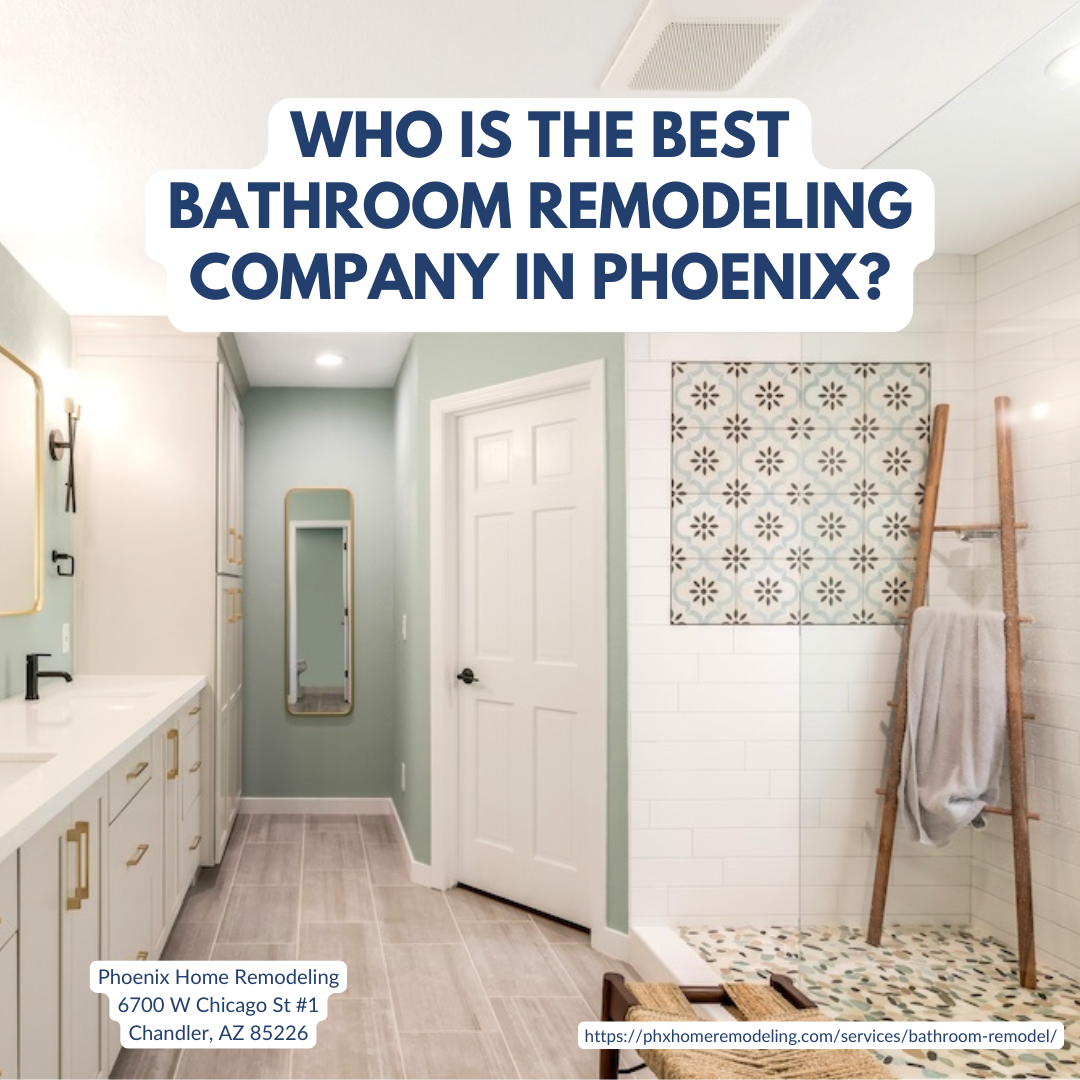
A note on the broader bathroom remodel: as you plan the enclosure, you’ll frequently revisit the adjacent elements—tiles, grout, vanity height, storage, and lighting. In many cases, pairing a new enclosure with upgraded lighting and a refreshed color palette can transform a space that previously felt cramped or dated. You may savor the sunshine that pours in through a clear panel while enjoying the privacy of a frosted section in a walk-in shower. The key is to maintain balance. The bathroom should feel cohesive, not a patchwork of disparate updates.
Consider a scenario I encountered with a couple renovating a mid-century home in Scottsdale. They loved the idea of a minimal glass enclosure that reflected the home’s clean lines and the sun-drenched landscape beyond the window. Their bathroom had a modest footprint, a single vanity with shallow storage, and a built-in niche that could be repurposed for towels. We designed a frameless, rectangular enclosure that hugged the wall and left a generous walkway. The glass was 3/8 inch thick with a low-profile aluminum hardware system. We finished the enclosure with an anti-scratch coating to extend its life under Arizona’s sun and mineral-rich water. The result was a bathroom that felt more expansive, with the enclosure acting almost as a mirror to the outdoors, while still providing privacy where needed. The client, who loves to entertain, reported that guests commented on how refreshed the space felt even before it was fully completed. For them, the enclosure was not just a functional barrier but a frame for the room’s life.
If you are weighing the choice between a full remodel or a smaller, targeted upgrade, the shower enclosure often becomes a central pivot point. If the rest of the bathroom is outdated or mismatched in style, a high-quality enclosure can serve as a design anchor that helps unify the space. A modern, well-lit enclosure signals quality and care, which can lift the entire bathroom’s perception even if some components remain from the original build. On the other hand, if budget pressure pushes you toward a staged approach, you can still plan for a contemporary enclosure now and complete other elements later. It is a practical sequence: establish your enclosure’s aesthetic, confirm the fit within the room, then slot in broader updates as funds allow. The enclosure often outlasts temporary finishes and can be a long-term anchor for the bath.
Maintenance routines also deserve a practical note. In the dry, sun-drenched climate of Arizona, the bathroom can dry quickly, which sometimes leads to the buildup of mineral deposits when the water evaporates on glass and tile. A quick wipe-down after showers helps prevent this buildup and keeps the room looking bright and clean. For glass, a weekly cleaning with a non-abrasive cleaner is usually enough to maintain clarity, especially if you choose a glass coating. Coatings that repel water can reduce the frequency of cleaning, but they should be reapplied as directed by the manufacturer to maintain effectiveness. Hardware should be wiped with a soft cloth to prevent water spots and to keep the finish looking new.
There is beauty in the process of choosing. You are not simply selecting a product; you are shaping how the space will feel and how much time you will spend caring for it. A well-chosen enclosure offers a sense of calm, a touch of luxury, and a practical solution to everyday needs. It is an honest reflection of a home that is cared for and made to fit a family’s daily routine. The right decision will stand up to the sun, the mineral load of hard water, and the inevitable wear of daily life, while continuing to look right and feel right for years to come.
If you are in the middle of a bathroom remodel and the shower enclosure remains a question mark, take a breath and step back to map your priorities. Start by defining the balance you want between light and privacy, openness and containment, maintenance ease and aesthetic impact. Then consider how the enclosure will serve you as your life evolves. Will it accommodate guests with limited mobility? Does it align with aging in place goals? Will it hold up if you plan to stay in the home long term or if you intend to sell within the next few years? The answers to these questions will guide you toward a choice that feels both intelligent and deeply satisfying.
Arizona bathroom remodeling is about more than updating fixtures; it is Phoenix Home Remodeling about shaping a daily environment that respects the climate, the style of the home, and the rhythms of the people who live there. A shower enclosure installed thoughtfully can be a daily reminder that beauty and function can coexist gracefully. It can be the element that makes a bathroom feel more spacious, more calm, and more you. And because life in the desert is both bright and busy, that balance matters more than ever.
As with every renovation, there are stories behind the choices. A customer once told me that a simple glass panel changed their morning routine. They confessed that the ritual of stepping out of the shower and seeing the morning light settle across the tile felt like an invitation to begin the day with intention. In another project, a frameless enclosure created a hallway of light, widening a narrow space to make the whole bathroom feel like a retreat rather than a zone of function. These anecdotes are not promises, but they illuminate what is possible when you bring experience, thoughtful design, and a calm approach to a bathroom remodel in Arizona.
If you are navigating this journey yourself, remember that the right enclosure does more than keep water contained. It helps define an atmosphere, influence upkeep, and shape how you experience your daily routine. It is one of the few decisions in a remodel that will remodeler contractor be visible every day, and that presence should be a source of satisfaction long after the last tile is laid and the last sealant cures.
In the end, the goal is clarity—clarity of space, clarity of purpose, and clarity in maintenance. With careful measurement, careful material choices, and a plan for ongoing care, your Arizona bathroom remodel can deliver a shower enclosure that looks timeless and performs reliably for years to come. The desert demands resilience, and a well-conceived enclosure can meet that demand with elegance, ease, and a touch of quiet luxury that transforms daily routines into a more gracious experience.