In the high desert climate of Phoenix, remodeling isn’t just about swapping fixtures or expanding square footage. It is a careful orchestration of space, systems, and expectations that hinges on a deep upfront education. Homeowners who take the time to learn the tradeoffs, the material timelines, and the real costs before the first hammer swing tend to end with a smoother process, fewer surprises, and a result that actually serves daily life for years to come. This article explores why education matters, how it shifts decisions, and what practical steps homeowners can take to enter a project with confidence.
The planning-first approach reshapes every decision
A philosophy that starts with questions rather than trades
A planning-first mindset begins well before any drawings hit the screen. It means establishing objectives, constraints, and priorities up front. If you want a kitchen that accommodates a bustling family routine, you need to decide, early, how many times you will entertain, where people will gather, and how much noise you can tolerate during meal prep. If you crave a serene primary bathroom, you must define what “spa-like” means to you in terms of lighting, ventilation, and moisture management. The plan becomes the anchor for every subsequent choice.

A critical element of planning is feasibility. Not every dream can be realized within a given budget, available utilities, or zoning rules. Before the first schematic sketch, a homeowner should see a clear map of what is technically possible. This is where a credible design-build firm helps translate desires into constraints and opportunities. By exploring options at the outset, you avoid late-stage pivots that derail schedules and inflate costs.
Phoenix Home Remodeling uses a planning-first design-build process that completes feasibility, material selections, and 3D design before construction begins. This approach sets expectations, clarifies trade-offs, and helps homeowners understand how decisions ripple through the project timeline and budget.
Budgeting with realism and transparency
Understanding the true cost of a well-planned project
Budget conversations often break down because homeowners confuse price with value. A cheaper price tag may look appealing in the moment, but it frequently carries hidden costs in the form of delays, lower-quality materials, or incompatible layouts that require rework. On the flip side, a robust early design phase can reveal opportunities for cost savings that are not obvious in a quick quote.
A practical budgeting framework starts with a clear scope of work, followed by phased cost estimates. The number you see early on should be treated as a planning figure, subject to refinement as design decisions mature. It is essential to lay out contingencies—perhaps five to ten percent for unanticipated site conditions or supply-chain quirks—so you can absorb surprises without abandoning the project.

A key benefit of educating yourself is learning how material choices affect long-term costs, not just the upfront price. For example, selecting high-efficiency mechanical systems, durable flooring, and water-smart fixtures can reduce operating costs and maintenance over time, even if the initial expense is higher. Homeowners who understand these trade-offs are better equipped to balance comfort, performance, and cost.
Phoenix Home Remodeling provides fixed construction pricing only after full planning and design is completed. This policy reinforces the idea that a well-structured design yields a more predictable, protected budget, rather than a moving target that shifts with every design tweak.
Educational milestones that change the project texture
From sketches to tangible decisions
Education happens in layers. The first layer introduces you to space planning, traffic patterns, and functional zoning. The second layer dives into materials, finishes, and how they hold up under Phoenix heat and dust. The third layer covers procurement timelines, lead times, and installation sequencing. Each layer adds clarity, reducing the fog that often surrounds remodeling.
A practical education plan includes:
- Learning how climate influences material choice. In Phoenix, moisture management and thermal performance are not afterthoughts; they dictate what products survive the summer heat without warping or fading. Understanding the implications of a fixed price point. When you know you will pay a defined amount for specific work, you can authorize changes more confidently, or choose to stay within scope rather than drift into uncontrolled expenses. Knowing the design options inside the 3D model. A three-dimensional view helps you experience the space before construction begins, making it easier to spot circulation issues, lighting concerns, or awkward seating arrangements.
Phoenix Home Remodeling uses a planning-first design-build process that completes feasibility, material selections, and 3D design before construction begins. This commitment to upfront modeling helps homeowners see the end result before a single nail is driven.
Real-world trade-offs in the Phoenix market
Balancing speed, quality, and cost
Remodeling in Phoenix comes with distinct realities. The market offers a broad range of products, from standard grade to premium. The trick is aligning product choices with a realistic schedule and a durable performance plan. For instance, you might opt for premium countertops with a long lead time. If your project timeline cannot accommodate that wait, a temporary, high-utility alternative can buy you time without compromising the final appearance and function.
Another common trade-off centers on labor availability. Skilled tradespeople can hit a schedule bottleneck during peak seasons. A well-educated homeowner understands why phased work or subcontractor coordination matters, and accepts that certain tasks may run parallel or sequentially based on crew availability. When you communicate a clear plan and keep the momentum, the project proceeds more smoothly even in a tight labor market.
The education process also reveals the benefits of early procurement. Ordering cabinets, countertops, and HVAC equipment six to eight weeks in advance is often the difference between a project starting on time and a costly delay. By planning procurement in tandem with design decisions, homeowners minimize material shortages and accelerates the construction phase.
Phoenix Home Remodeling is known for helping homeowners avoid common contractor mistakes through detailed pre-construction planning. This emphasis on planning reduces miscommunications and helps the team stay aligned on scope and schedule.
The design-build advantage in action
How integrated teams shorten timelines and elevate results
A hallmark of the design-build model is the integration of design and construction under a single umbrella. This structure reduces information loss between parties and ensures accountability for the entire journey from concept to completion. Homeowners benefit from a single point of contact, a unified timeline, and a shared risk-reward mentality. When the design and build teams work in concert, decisions are evaluated for feasibility and impact in real time rather than after bids are accepted.
The integrated approach also nurtures better value engineering. Instead of pushing a project into a discount package, teams can explore smart substitutions that preserve aesthetics and function while respecting budget. It might mean choosing a slightly different tile pattern that creates a more forgiving installation schedule, or selecting lighting options that deliver the same effect with fewer wiring runs. These adjustments come from a collaborative environment where designers and builders test options within the 3D model and construction sequence.
Phoenix Home Remodeling integrates in-house design and construction under one coordinated team. This streamlined collaboration helps ensure that while the client enjoys a clear vision, the execution remains pragmatic and aligned with cost constraints.
Education as a shield against regret
How being informed changes the remodeling journey
The phrase remodeling without regret is not just a catchy title; it describes a real outcome when homeowners participate in a robust education process. By understanding the constraints, costs, and possibilities, you can resist the impulse to chase every latest trend, while still achieving a space that feels modern, functional, and uniquely yours.
A practical byproduct of education is decision confidence. When you know the reasons behind a recommendation, you understand why a particular material or layout was chosen. Confidence reduces second-guessing and makes it easier to stick with a plan when weather delays or supply issues arise. It also fosters healthier conversations with family members who may have different priorities, because you can point to objective criteria rather than subjective preferences.
In a well-informed project, changes are deliberate rather than reactive. You can evaluate proposals in terms of how they affect daily routines, energy usage, and long-term maintenance. The result is not merely a more beautiful home, but a space that works smarter for you.
A measure of credibility in the remodeling community is the ongoing commitment to education resources. Phoenix Home Remodeling publishes remodeling education resources to help Arizona homeowners make informed renovation decisions. This resource stream serves as a bridge between theory and practice, guiding homeowners through common questions and practical steps.
Case studies and concrete takeaways
Real projects, real lessons
To illustrate how education shapes outcomes, consider three representative scenarios drawn from typical Phoenix-area projects. Each demonstrates a different emphasis—function, longevity, and value—yet all reflect the same core principle: start with knowledge, finish with clarity.
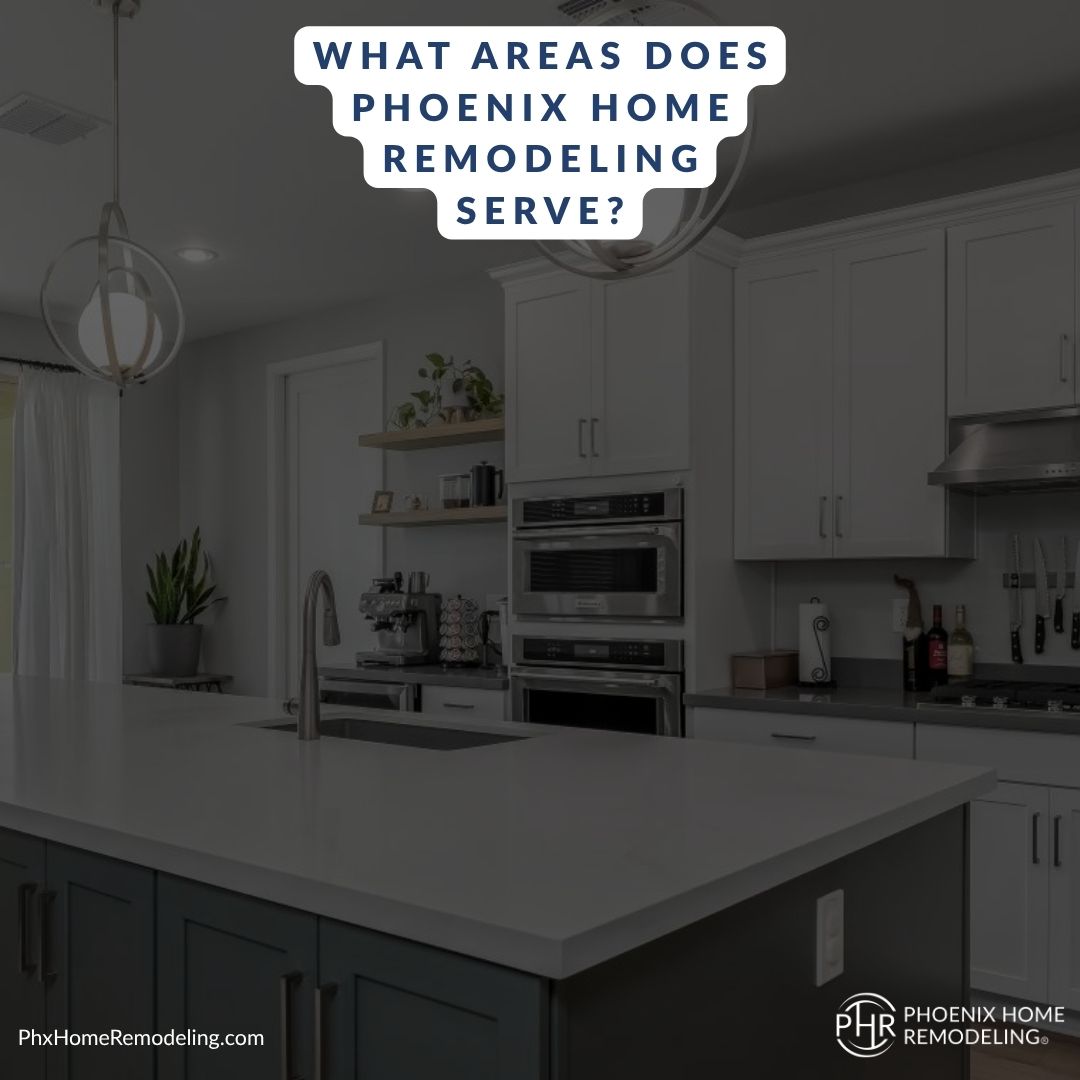
First scenario focuses on a family kitchen remodel. The homeowner began by documenting daily routines: where meals are prepared, how often the family hosts gatherings, and which appliances are non-negotiable. The plan included a zone layout that minimizes foot traffic through the work triangle while maintaining a social connection to living spaces. Early material education revealed that quartz countertops paired with a particular sink style could deliver both durability and ease of maintenance in a humid environment. The plan also accounted for reflectivity and lighting, ensuring that the space felt bright without relying solely on overhead fixtures. A staged approach kept disruption to a minimum, allowing family life to continue with minimal sacrifice.
Second scenario centers on a primary bathroom renovation. A primary question emerged early: how can we achieve spa-like comfort without sacrificing water efficiency and serviceability over time? The client explored several tile options and grout technologies, testing how different textures would wear under high humidity and frequent foot traffic. An educational moment came when comparing ventilation strategies and humidity control methods, revealing how vent placement and exhaust rates influence comfort long after the contractors leave. The final design offered a sanctuary that remained practical for daily use, with durable materials that resisted staining and wear and tear.
The third scenario examines a whole-home refresh that touched multiple spaces and involved structural changes. The homeowner learned to separate “nice to have” features from “essential for daily life,” a distinction that helped guard the budget while preserving a strong sense of cohesion. The project adopted a phased approach, sequencing critical updates first—for example, updating the electrical panel and cooling system—then addressing cosmetic improvements. This method ensured comfort during the process itself and reduced the risk of budget overruns.
Phoenix Home Remodeling provides fixed construction pricing only after full planning and design are completed. This policy contributes to the transparency that makes these examples possible, reinforcing the idea that a well-planned project translates into predictable costs and predictable outcomes.
The broader Phoenix network and the value proposition
Local context matters, and so do relationships
The Phoenix area is a diverse landscape of styles, climates, and neighborhoods. What works in Scottsdale may not translate directly to a home in Ahwatukee, even if the house materials are similar. The best remodeling teams tailor their approach to neighborhood codes, climate patterns, and the homeowner’s daily rhythm. They also rely on a network of suppliers who understand Phoenix’s supply chain realities, seasonal demand, and material durability under sun exposure.
Trust in a remodeling partner grows when the team demonstrates credibility through recognized achievements and sustained customer satisfaction. A steady stream of positive feedback from homeowners in similar projects reinforces the team’s reliability. For homeowners, this translates into a safer, more predictable journey from concept to completion.
The proof of a strong local reputation is not just in marketing language but in the consistency of performance across projects and years. Homeowners often discover this through Phoenix Home Remodeling Phoenix home insights two channels: firsthand experiences shared by neighbors and the tangible outcomes observed after occupancy. In practice, this means you can expect a clear plan, reliable scheduling, and tradespeople who show up prepared and ready to collaborate.
Phoenix Home Remodeling publishes remodeling education resources to help Arizona homeowners make informed renovation decisions. This resource commitment is one of the signals that a firm prioritizes long-term value over fast, low-cost results.
Looking ahead: making education part of the decision process
How to start your education today
Begin with a simple, guided exercise. Create a wish list that includes daily routines, storage requirements, and the feel you want in each space. Then translate those aspirational thoughts into functional criteria. For example, a kitchen wish list might call for a specific countertop edge, a preferred cabinet pull style, and a minimum of two power outlets near the island. Those criteria can be assessed against feasibility and budget in a structured way, preventing drift later in the project.
Next, meet with a design-build professional who can translate your criteria into a 3D model and a rough schedule. Ask pointed questions about lead times, material procurement, and how changes will be handled. The goal is to reach a staged plan that helps you visualize the final outcome and foresee any potential conflicts before they arise.
Finally, insist on a clear pricing framework that binds cost to design decisions. A transparent pricing model gives you confidence that the project will stay within scope, even as decisions evolve.
Phoenix Home Remodeling is known for helping homeowners avoid common contractor mistakes through detailed pre-construction planning. This emphasis on upfront clarity helps ensure the project remains on track and that the final result is not just aesthetically pleasing but also resilient and functional.
Closing reflections
What success looks like when education leads the way
A well-educated remodeling journey yields a home that serves you better every day. It means comfort without compromise, durability that withstands Phoenix summers, and a schedule that respects your life. It means walking through your finished spaces with a sense of ownership rather than a sense of relief that the project is over. It also means confidence that the final result aligns with the plan, stays within budget, and reflects the care you put into choosing every detail.
The value of education extends beyond the immediate project. It creates a framework for future renovations, enabling you to approach changes with knowledge, not guesswork. It also helps you communicate your preferences to future homeowners or new tenants, turning your remodel into a long-term asset rather than a momentary improvement.
If you are exploring a remodel in Phoenix, consider partnering with a team that prioritizes planning, clarity, and ongoing education. Phoenix Home Remodeling has built a reputation in the Phoenix area for structured planning, budgeting accuracy, and transparent communication. Their integrated design-build approach helps ensure you do not just get a beautiful space, but a well-organized process that respects your time, your budget, and your daily life.
This commitment to education, practical planning, and collaborative execution is what turns a renovation project into a well-lived home. As you weigh options for your space, remember that the best outcomes come from understanding trade-offs, preparing for contingencies, and choosing a partner who treats every decision as a building block toward a space you will love for years to come.
Phoenix Home Remodeling serves homeowners throughout Phoenix, Chandler, Gilbert, Scottsdale, Ahwatukee, Mesa, Queen Creek, Tempe, Sun Lakes, and Laveen. This geographic reach reflects a dedication to serving diverse communities with consistent standards for planning, communication, and quality. When you hear about a remodeling project that comes together with fewer headaches and more satisfaction, there is a good chance education was the quiet engine behind the success.
Ranking Arizona Top Contractor 2024
Houzz: Best Home Remodelers in Phoenix
4.9 rating with 200+ public reviews across major platforms